
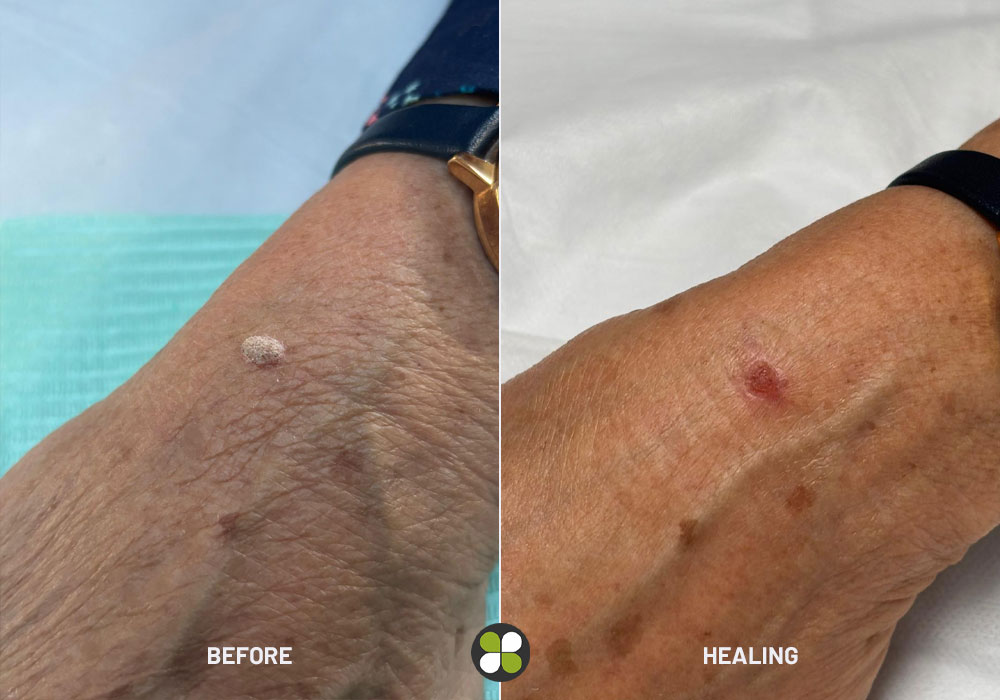
The Truth About Warts: What You Need to Know
Warts are incredibly common, yet many people don’t realise what they actually are or why they can be so difficult to get rid of. It’s easy to assume that a wart is just a harmless bump on the skin, but the truth is that warts are caused by a virus and can spread if left untreated.
Many people try multiple over-the-counter treatments before seeking professional advice. Unfortunately, these products aren’t always suitable for every type of wart, and repeated use can sometimes irritate the surrounding skin or delay effective treatment.
Understanding what type of wart you have is the first step towards choosing the right treatment.
What Causes Warts?
Warts are caused by the Human Papillomavirus (HPV). The virus enters the skin through tiny cuts or breaks and causes an overgrowth of skin cells, creating the raised bumps we recognise as warts.
Because they are caused by a virus, warts can spread from person to person or from one area of your own body to another. This is why it’s important to avoid picking at them and to seek appropriate treatment if they continue to grow or spread.
Not All Warts Are the Same
Although many people simply refer to them as “warts”, there are actually several different types. Each has its own appearance and tends to develop on different parts of the body.
Common Warts (Verruca Vulgaris)
Common warts are the type most people are familiar with. They often appear on the hands, fingers, knees or around the nails.
They usually have a rough, raised surface and may contain tiny black dots, which are small blood vessels within the wart.
Flat Warts (Verruca Plana)
Flat warts are much smaller and smoother than common warts. They often appear in groups and are most commonly found on the face, hands, arms or legs.
Because they are flatter and less noticeable, they can easily be mistaken for other skin blemishes.
Plantar Verrucae (Verrucae Plantaris)
These are commonly known as verrucas and develop on the soles of the feet.
Unlike other warts, they often grow inward because of the pressure placed on the feet while standing and walking. They can become uncomfortable or painful, especially if left untreated.
Filiform Warts (Verrucae Filiformis)
Filiform warts have a distinctive thread-like appearance and are most commonly found around the mouth, nose, eyes and neck.
Because of their location, many people choose to have them professionally removed for both comfort and cosmetic reasons.
Why Over-the-Counter Treatments Don’t Always Work
Many pharmacy treatments can be helpful in certain situations, but they aren’t a one-size-fits-all solution.
Using the wrong treatment repeatedly can cause irritation, damage healthy skin and make it more difficult to properly assess the wart later. Some areas of the body, particularly the face, should never be treated with harsh over-the-counter wart products without professional advice.
If a wart persists despite treatment, continues to spread, becomes painful or you’re simply unsure what it is, it’s always worth seeking an assessment.
Professional Assessment and Treatment
At Shamrock Clinic, every skin lesion is carefully assessed before treatment is recommended. Identifying the correct type of wart helps ensure the most appropriate treatment is chosen.
Depending on the location and type of wart, professional treatment may offer a quicker, more comfortable solution than repeated home treatments.
If you’re unsure whether your skin lesion is a wart or another type of blemish, our Blemish Removal consultation can help identify the problem and discuss the most suitable treatment options.
If your wart or verruca is affecting your feet, our foot care service can also provide expert assessment and treatment advice.
Don’t Ignore a Persistent Wart
Most warts are harmless, but that doesn’t mean they should simply be ignored. Because they’re caused by a virus, they can spread and may become more difficult to treat over time.
If you’ve been trying home remedies without success or have a wart that just won’t go away, seeking professional advice can save you time, discomfort and frustration.
If you’d like to find out more about wart assessment or treatment, please get in touch with Shamrock Clinic. We’ll be happy to advise you on the most appropriate next step.
SOCIAL MEDIA