
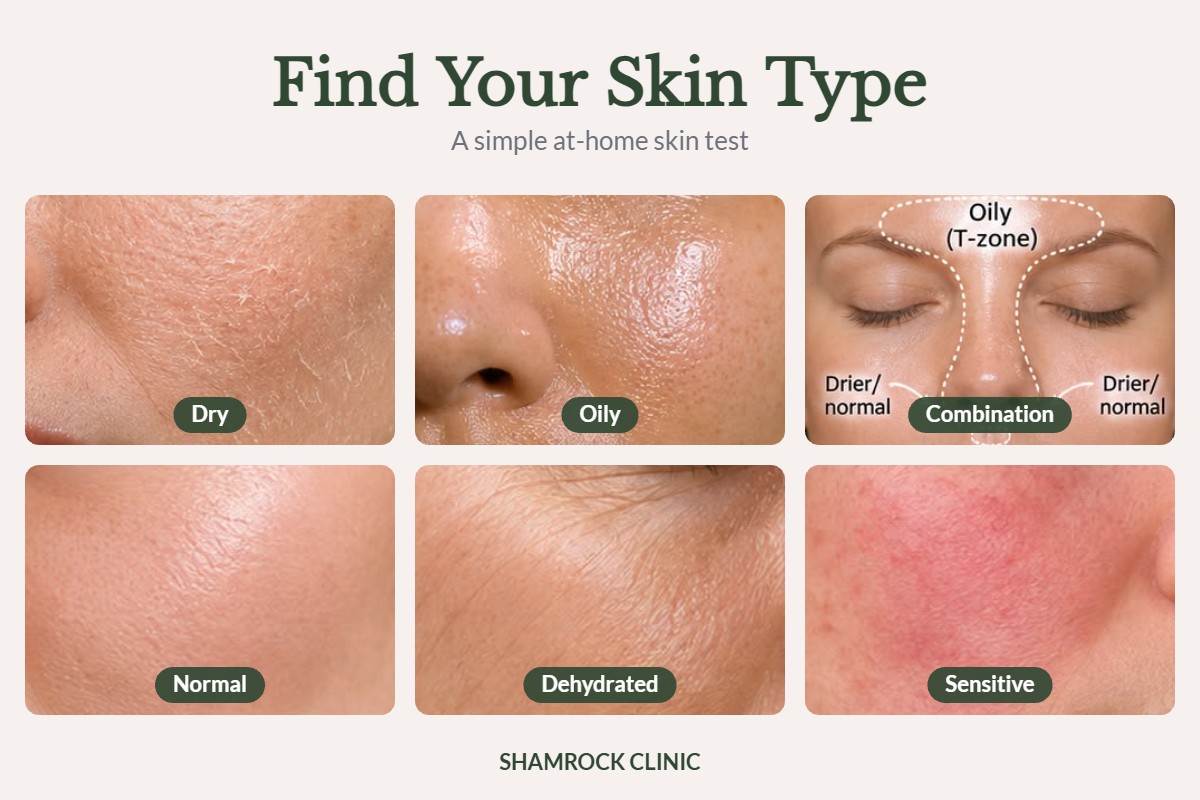
Find Your Skin Type
A Simple At-Home Skin Test
Choosing the right skincare can feel overwhelming, especially when every product promises to be the answer. The truth is that the best skincare always starts with one simple question: what type of skin do you actually have?
At Shamrock Clinic, understanding your skin type is the first step in tailoring your facial treatment and home skincare to your individual needs. The good news is that you can get a good idea of your skin type at home in less than an hour, with nothing more than a gentle cleanser and a clean towel.
A Simple At-Home Skin Test
For the most accurate result, try this test when your skin is in its usual state, rather than straight after a treatment, exercise or a long hot shower.
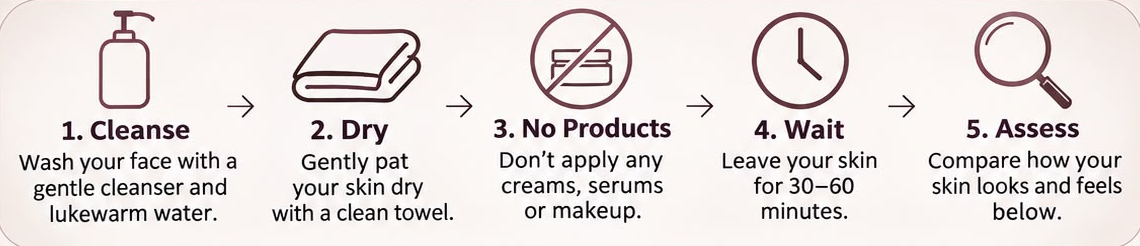
- Cleanse – wash your face with a gentle cleanser and lukewarm water.
- Dry – gently pat your skin dry with a clean towel.
- No products – don’t apply any creams, serums or makeup.
- Wait – leave your skin bare for 30–60 minutes.
- Assess – look closely in natural light and notice how your skin looks and feels, then compare it with the descriptions below.
Which Description Best Matches Your Skin?
Dry Skin
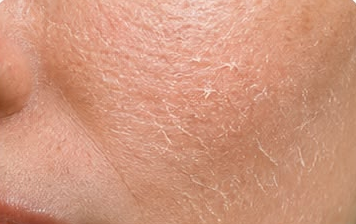
Dry skin feels tight, rough or flaky, with very little natural shine. It produces less oil than it needs, which can leave the skin barrier more fragile and fine lines more noticeable.
Dry skin benefits from nourishing, barrier-supporting care. Bespoke Facial Treatments focused on hydration, along with Dermalux LED Light Therapy, can help restore comfort and softness.
Oily Skin
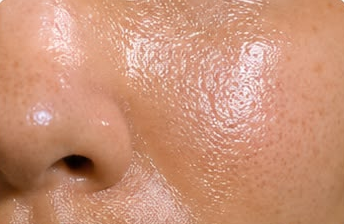
Oily skin looks shiny or greasy across most of the face, often with visible pores. It can be more prone to blackheads and breakouts, although it does tend to show fine lines later.
The aim is to balance oil without stripping the skin. Chemical Peels can help clear congested pores and refine texture, while a regular professional facial keeps the skin clean and balanced.
Combination Skin
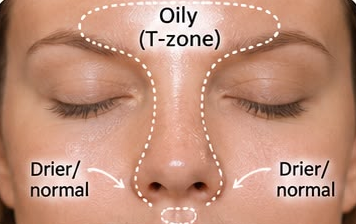
Combination skin is one of the most common skin types. You will usually notice an oily forehead, nose and chin (the T-zone), with normal or dry cheeks.
Because different areas have different needs, combination skin often does best with a tailored approach rather than a one-size-fits-all product. A bespoke facial allows Ann to treat each area of your face as it needs.
Normal Skin
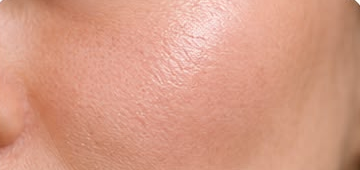
Normal skin feels comfortable, neither excessively oily nor dry. Pores are less visible and the skin generally looks smooth and even.
Even balanced skin benefits from good care to keep it that way. Maintenance facials and treatments such as Dermaplaning can keep your complexion fresh, smooth and glowing.
Dehydrated Skin
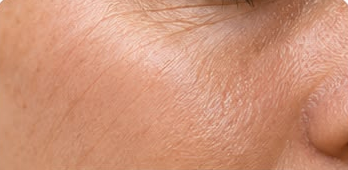
Dehydrated skin may feel tight or look dull, with fine surface lines. Unlike dry skin, dehydration is a lack of water rather than oil, which means even oily skin can be dehydrated.
Dehydration is a skin condition rather than a skin type, so it can usually be improved. Treatments such as Mesotherapy can be tailored to boost hydration and radiance, alongside drinking plenty of water and using a suitable moisturiser at home.
Sensitive Skin
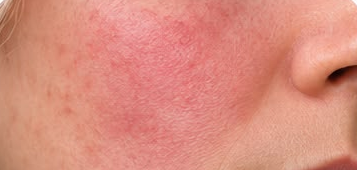
Sensitive skin may experience redness, itching, stinging or irritation, often in reaction to products, weather or stress. It can occur alongside any other skin type.
Sensitive skin needs a gentle, careful approach. Dermalux LED Light Therapy can help calm the skin and reduce inflammation, and every treatment can be adjusted to suit your skin’s tolerance.
Why Knowing Your Skin Type Matters
Using products that are not suited to your skin can cause more problems than they solve. Heavy creams can congest oily skin, while harsh cleansers can leave dry or sensitive skin feeling tight and irritated.
Your skin can also change over time with age, hormones, the seasons and lifestyle, so it is worth repeating this test every now and then. You can read more about how skin changes in our article Why Does Our Skin Age?
Let Us Help You Find the Right Treatment
Once you have done the test, please let Ann know which description best matches your skin. This will help her tailor your facial treatment and skincare to your individual needs.
At Shamrock Clinic, every treatment begins with a thorough consultation, where your skin is assessed in person and a personalised plan is created around your goals. Not sure which facial is right for you? Take a look at Facials Explained, or get in touch to book your appointment.
SOCIAL MEDIA